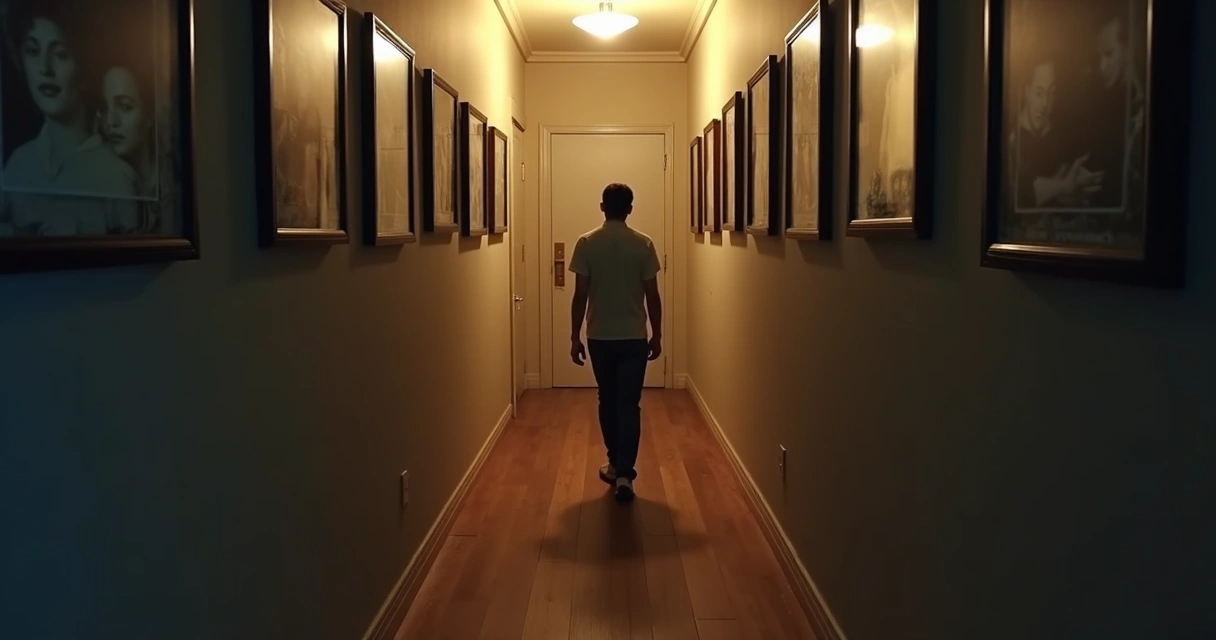

Inherited emotional debts shape who we become before we ever make conscious choices. We are born into family stories and patterns that, sometimes, make us feel emotions and behave in ways that do not truly belong to us. Recognizing and transforming these unseen burdens is a real opportunity for growth, healing, and positive change—both for ourselves and the generations to come.
We carry what is unresolved, and we can choose to resolve it.
Understanding inherited emotional debts
Inherited emotional debts are patterns of fear, sadness, guilt, shame, anger, and other intense emotions handed down from family, social, or cultural experience. Often passed through subtle cues, family dynamics, or even through our biology, these debts can shape how we feel, relate, and act in the world. Studies indicate that trauma and stress can impact not only an individual but their descendants' emotional and physical health, a phenomenon observed across diverse cultures and family constellations.
For example, a 2022 study showed that the health of family systems significantly influences the transfer of trauma from one generation to the next, and improving family health can meaningfully reduce these inherited burdens (Brigham Young University research).
What once protected our ancestors may weigh us down today. The cycle can be broken—and that is where practical methods matter.
How inherited emotional debts form
Sometimes, emotional patterns become so ingrained that they appear natural, almost invisible. These can arise from:
- Unresolved trauma from previous generations
- Repeated behaviors or emotional reactions modeled by caregivers
- Family secrets, taboos, or unspoken rules
- Societal events that impact entire groups
- Biological changes—such as epigenetic markers—passed from parent to child
Epigenetic research from the Icahn School of Medicine at Mount Sinai has highlighted that traumatic effects may be transferred through observed changes in gene expression, not just through spoken words or family stories. This means the inheritance can be both emotional and biological—even if people are not fully aware of its origin.
Breaking the cycle: practical steps you can start now
Seeing the pattern is the first step, but what comes next? In our experience, a structured and responsible approach brings lasting change. Here are methods that make a difference, supported by research and decades of observation.
1. Observe emotional reactions with honesty
When we pause and notice recurring emotional responses, we create space for understanding. Start by:
- Journaling feelings that repeat, especially those that feel out of place or stronger than the situation would warrant
- Noting triggers—what situations make the emotion emerge?
- Reflecting on how these patterns might relate to family stories or dynamics
Awareness brings the invisible into light, which is the ground for any transformation.
2. Practice conscious dialogue within the family
Families pass along emotional debts quietly, but direct and respectful conversation can open doors. We suggest:
- Initiating honest discussions about family histories and difficult events
- Listening with curiosity rather than judgment
- Validating the struggles of others while acknowledging your own reactions
This approach is echoed in findings that positive family health interactions reduce the load of intergenerational trauma.
3. Use body-based awareness and breathing techniques
Emotions are not only mental; they live in the body. Stress, anxiety, and inherited fear often manifest as tension, shallow breath, or even pain. A regular breathwork or grounded movement practice can help release these patterns. We recommend:
- Practicing deep and slow breathing each day, focusing on exhalation
- Paying attention to areas of tension during stressful moments, and softening them as you breathe
- Grounding yourself by standing and feeling the support of the floor and your body
By owning our breath and body, we begin to change inherited emotional scripts.
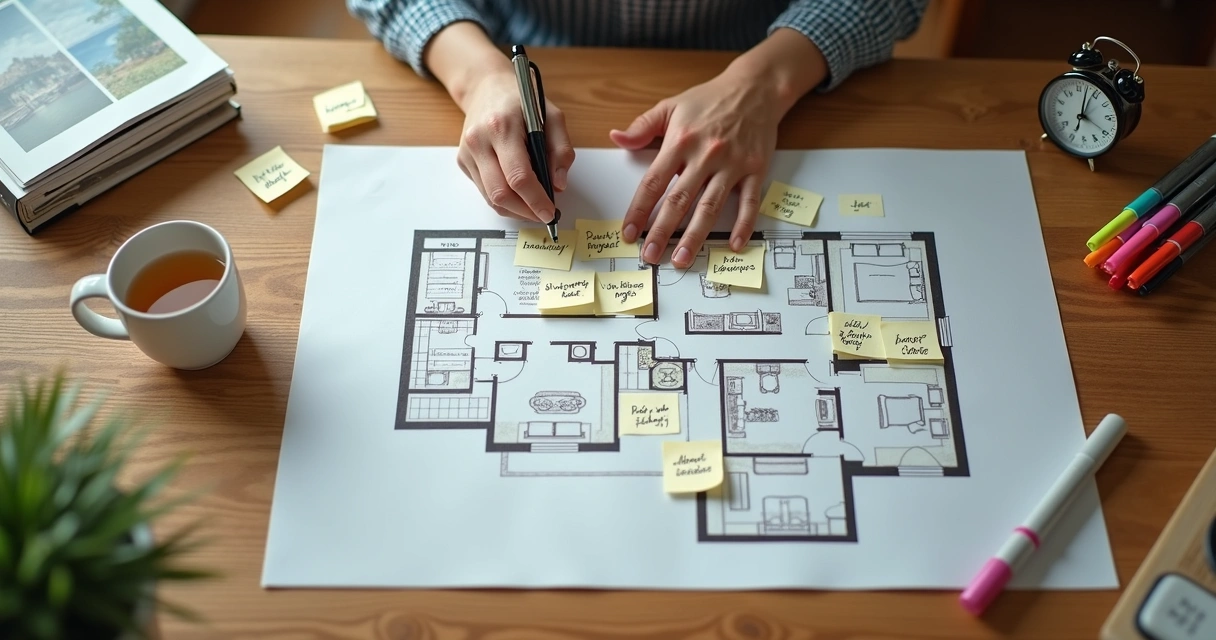
4. Map family patterns and unresolved stories
Creating a visual map of family experiences can clarify the links between present issues and past events. This can be done through:
- Drawing a family tree with key emotional events, traumas, and turning points
- Making notes about relationships that seem marked by recurring conflicts or losses
- Highlighting patterns—such as repeated themes of abandonment, violence, or silence—across generations
Recognizing these patterns gives us the power to make new choices and prevent cycles from repeating.
5. Seek responsible professional or group support
Long-standing emotional debts sometimes need a space and structure beyond personal reflection. Approaches based on cognitive behavioral methods, systemic work, and trauma-informed care can offer windows into new behavior and emotional maturity. Evidence points to the benefit of structured group and school-based programs in reducing the effects of early trauma (comparative effectiveness reviews on cognitive behavioral approaches).
6. Strengthen healthy boundaries and self-care rituals
People carrying emotional debt can feel responsible for others’ pain. Developing clear boundaries while nurturing ourselves is both an act of self-love and a way to change family legacy. This includes:
- Setting limits about what emotional burdens are truly yours to carry
- Engaging in consistent self-care: sleep, nutrition, movement, quiet time
- Celebrating healthy progress, even small changes, as a family or individually
Why breaking the cycle matters
Escaping inherited debt means more than personal freedom. Research in Neuropsychopharmacology and results from meta-analyses on child maltreatment (2018 research) confirm that unaddressed emotional wounds risk being passed repeatedly, influencing future generations. By breaking the cycle, we change the story—for ourselves and for those who will come after.
"Healing ourselves today protects those who come tomorrow."
Conclusion
Inherited emotional debts are real, but they are not destiny.
We have seen firsthand that with awareness and responsible action, anyone can bring light to hidden emotions and shift the patterns that once seemed unchangeable. Using observation, conscious conversation, breathwork, mapping family patterns, structured support, and nurturing boundaries, we each have the possibility to write a new legacy—one of clarity, freedom, and connection.
Frequently asked questions
What is inherited emotional debt?
Inherited emotional debt refers to emotional patterns, wounds, or burdens that are passed down from previous generations within families or groups, often unconsciously. These may manifest as fears, anxieties, or behaviors that do not originate from individual experience but are carried from the unresolved experiences of those who came before.
How to identify inherited emotional debts?
We often recognize inherited emotional debts by observing repeating emotional reactions, unexplained tensions, or family patterns that show up across generations. Journaling, mapping family histories, and honest reflection about emotions that feel "bigger" than one's personal story are practical techniques. Sometimes, repeated health issues or behaviors point to these inherited debts as well.
Can inherited emotional debts be healed?
Yes, inherited emotional debts can be healed with conscious awareness, responsible emotional work, supportive relationships, and sometimes structured therapeutic approaches. Intervening in family health and improving communication are also shown to reduce the burdens of inherited trauma (researched here).
What are effective methods for healing them?
Effective methods include observing emotional triggers, having honest dialogues within families, using breathwork and body-based practices, mapping family patterns, seeking professional support when needed, and strengthening self-care and boundaries. Empirical research affirms the value of these approaches in both individual and group settings.
Is it worth it to address these debts?
Addressing inherited emotional debts benefits not only individuals but entire family systems and future generations. Healing these patterns creates space for healthier relationships, better well-being, and the possibility of true emotional maturity to flourish undisturbed by the past.